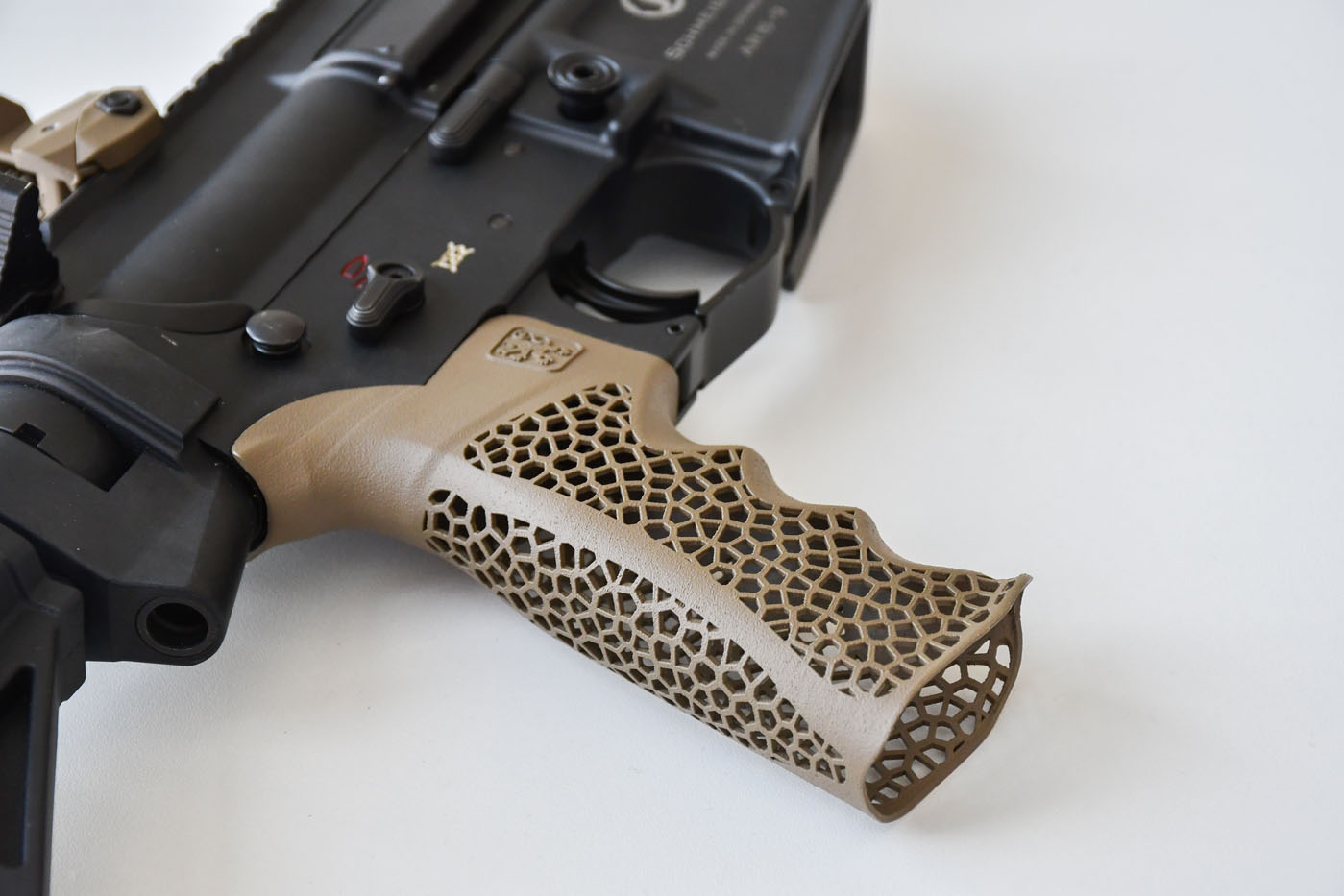
Our comprehensive solution delivers unique user value to all customers.
Services
Consulting and Strategic Corporate Development
Product Development and Prototyping
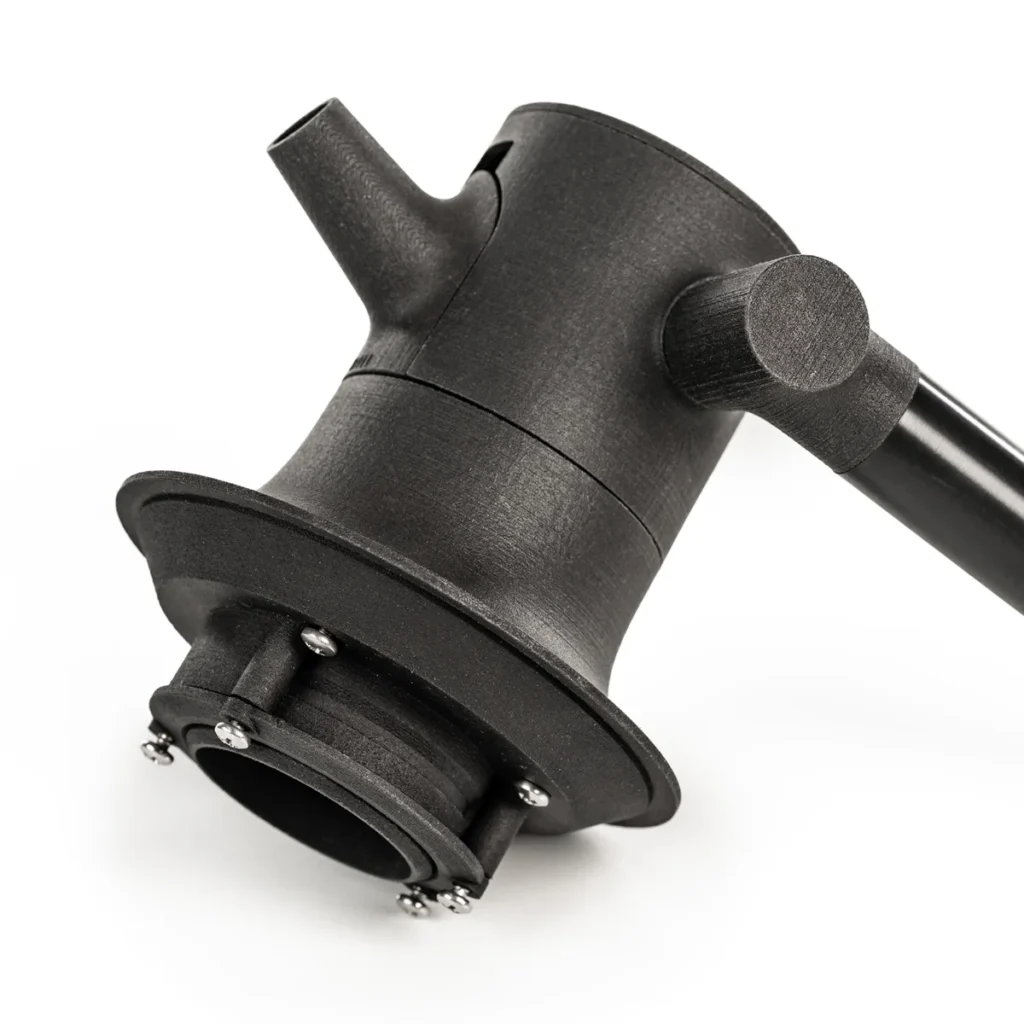
Secure your leadership with professional rapid prototyping, reduce time to market and save money at the same time. We offer you the entire value chain for additive or conventional prototyping and pilot production in plastic and metal materials. From a raw individual part to a fully machined and finally assembled assembly, we deliver prototypes or pilot series directly to your table in a matter of hours.
Advanced Mathematical Simulations
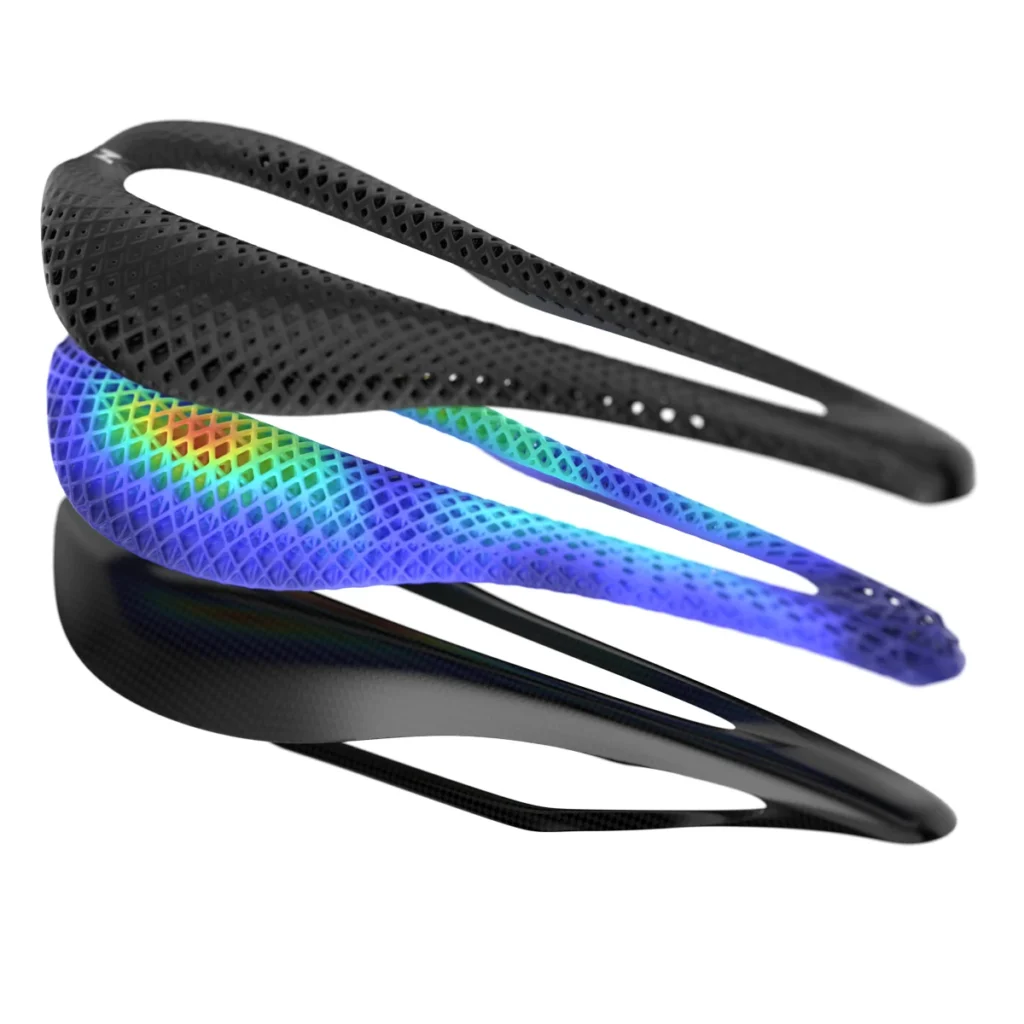
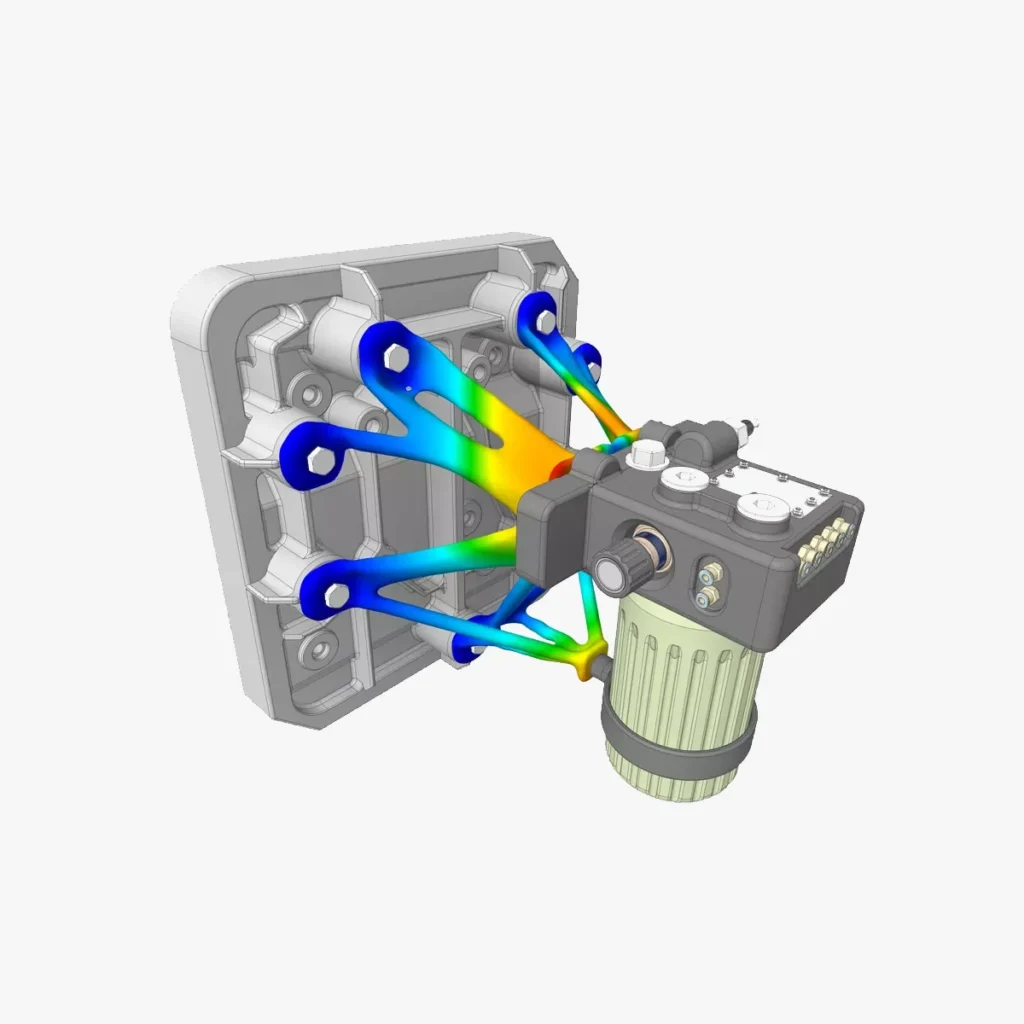
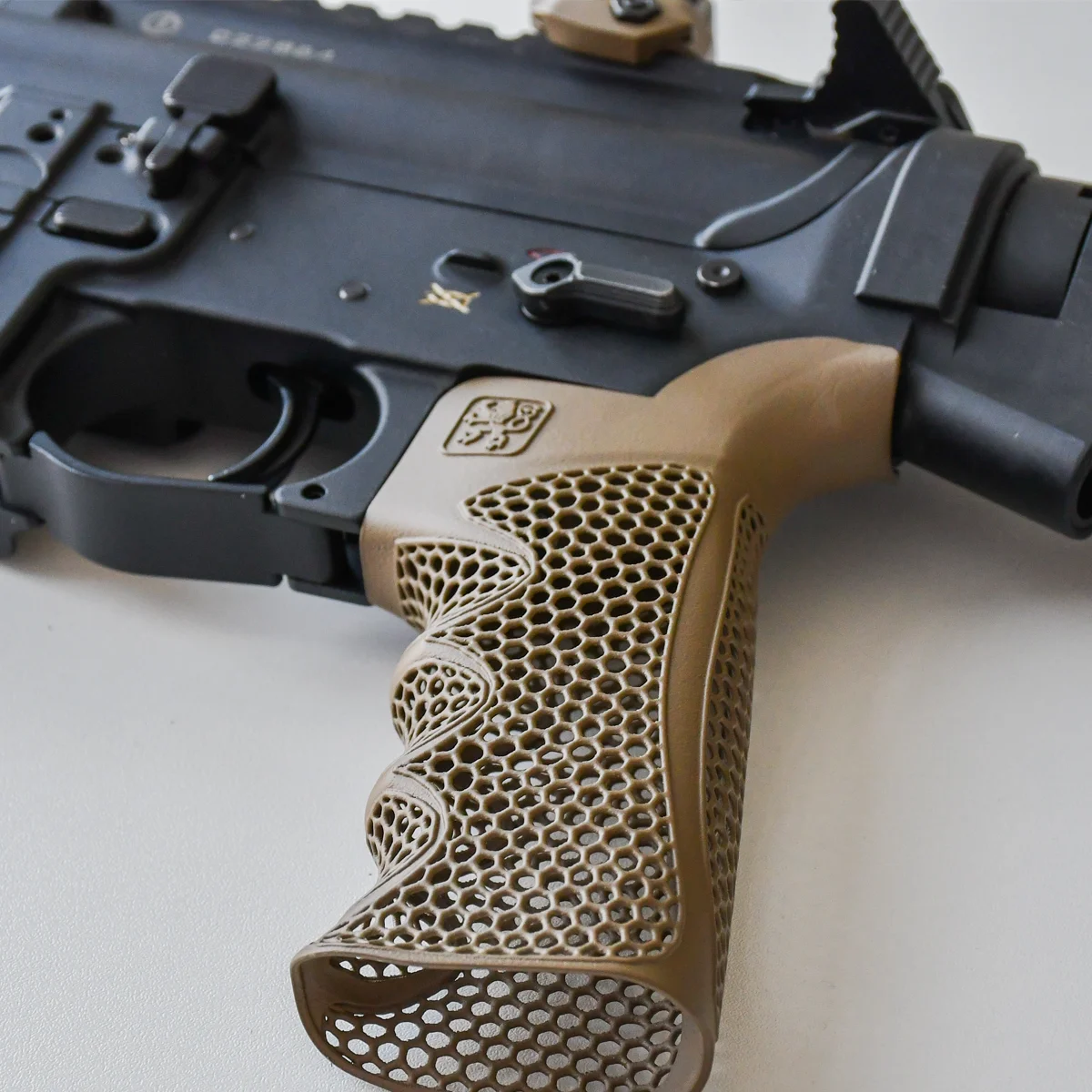
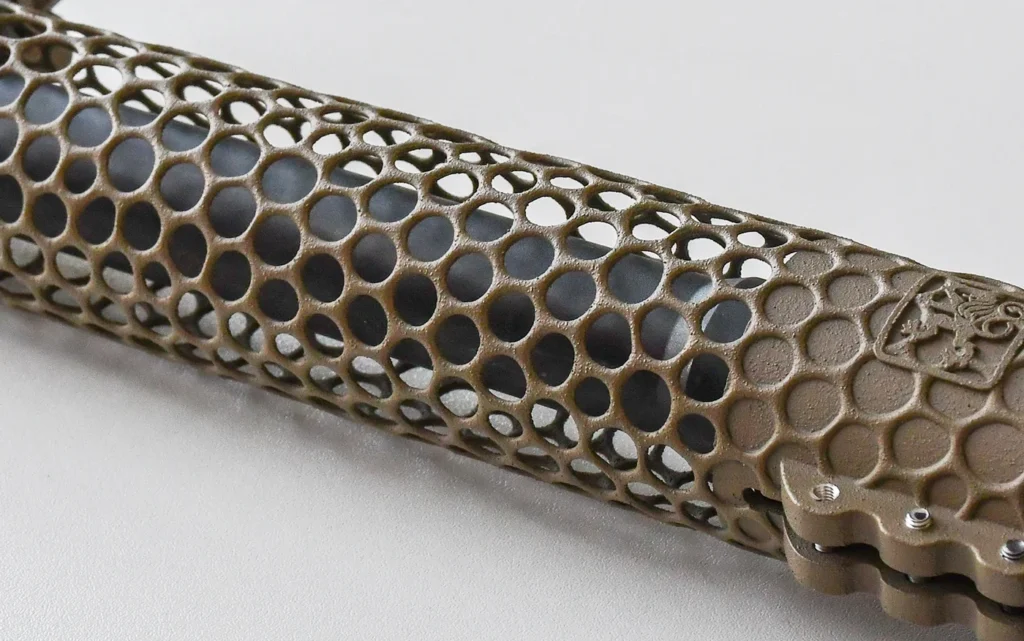
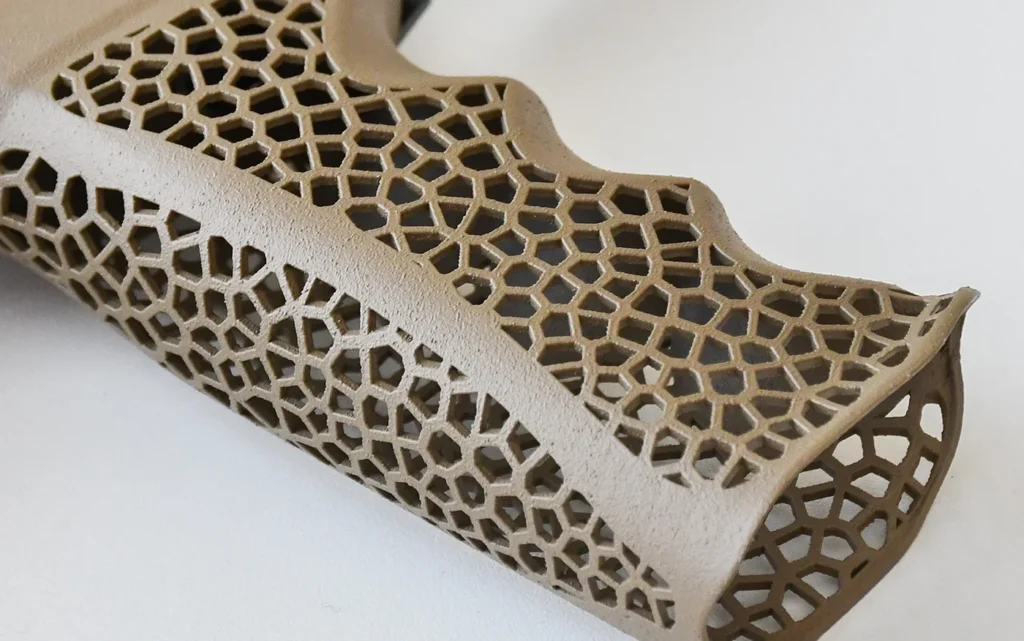
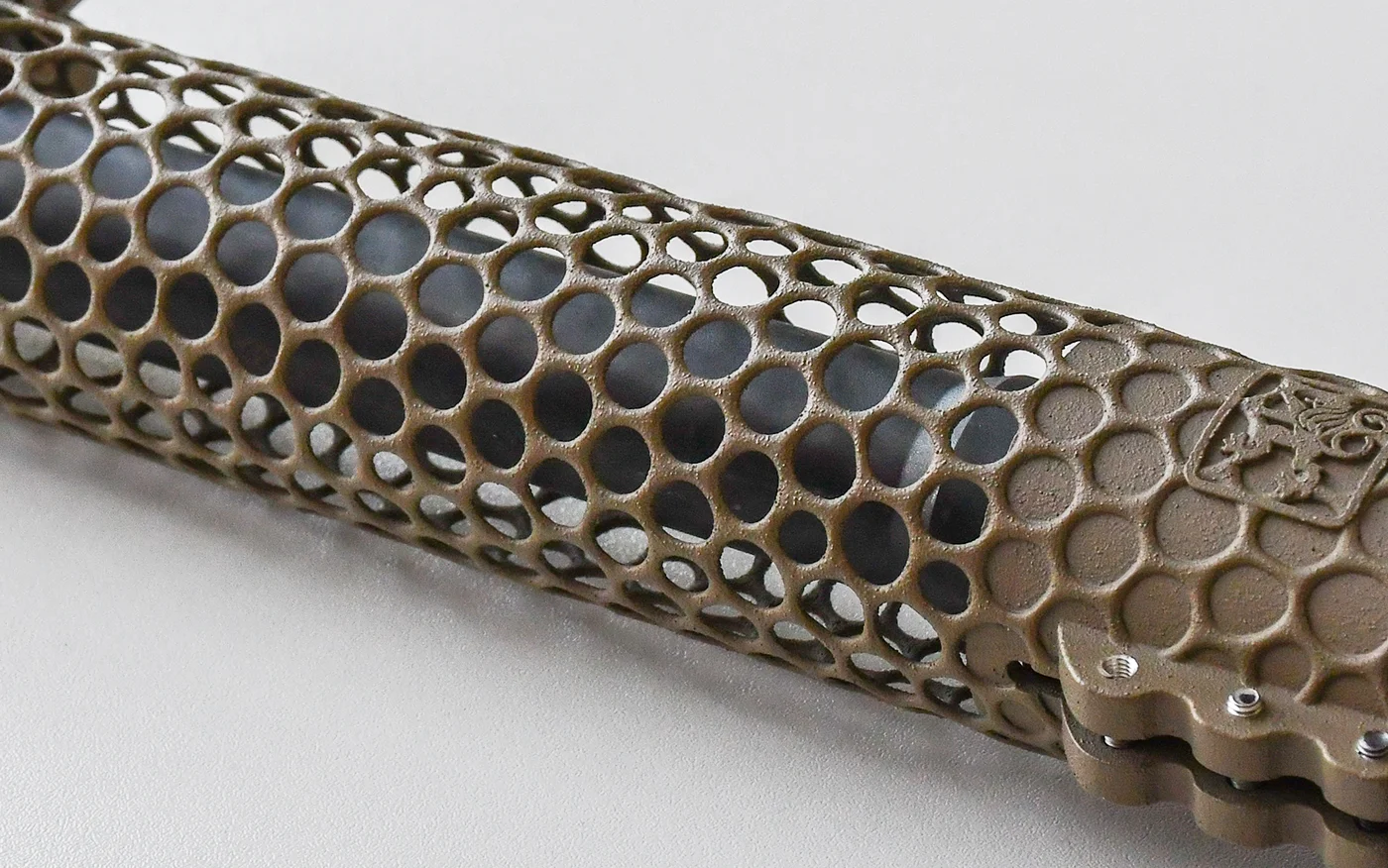
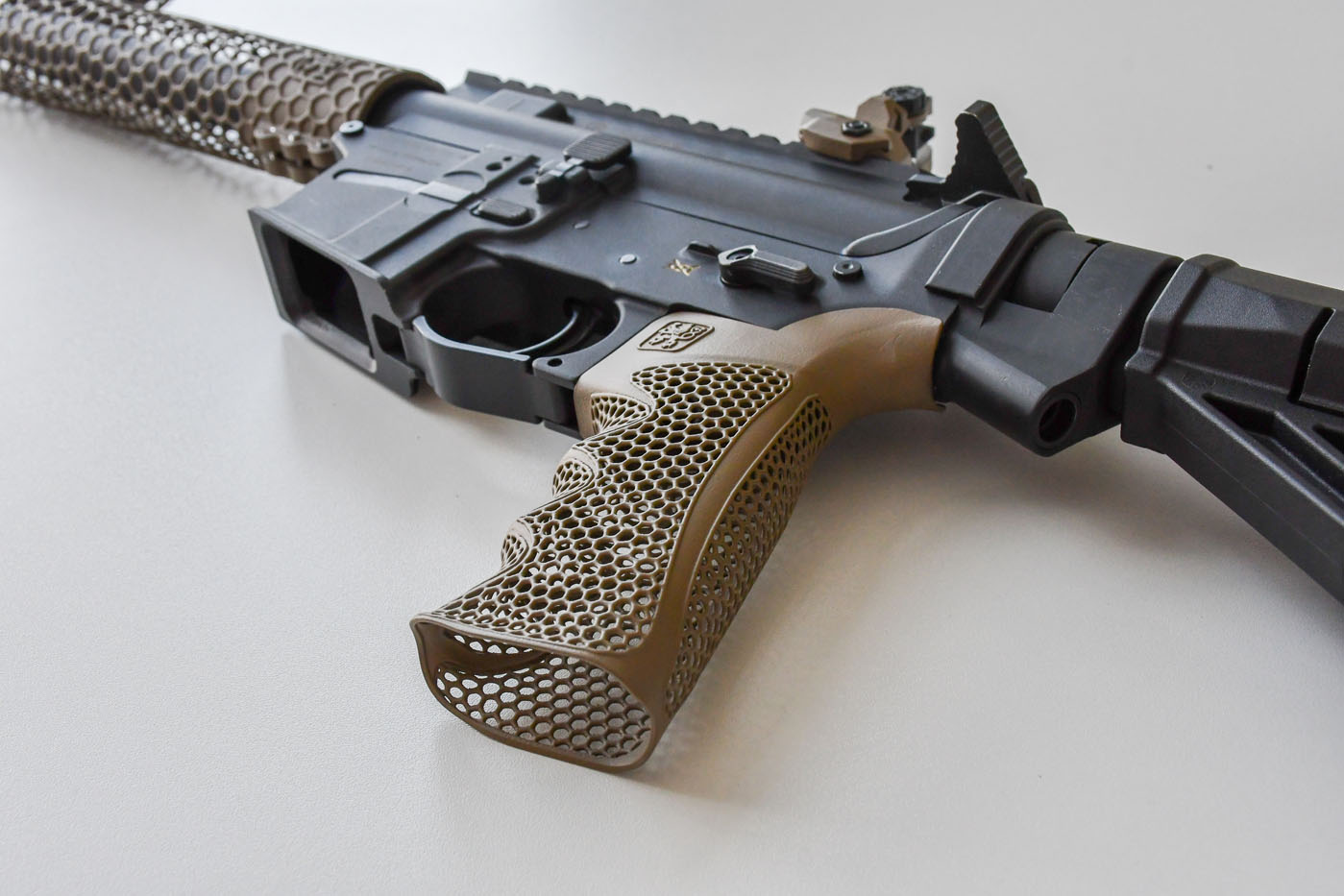
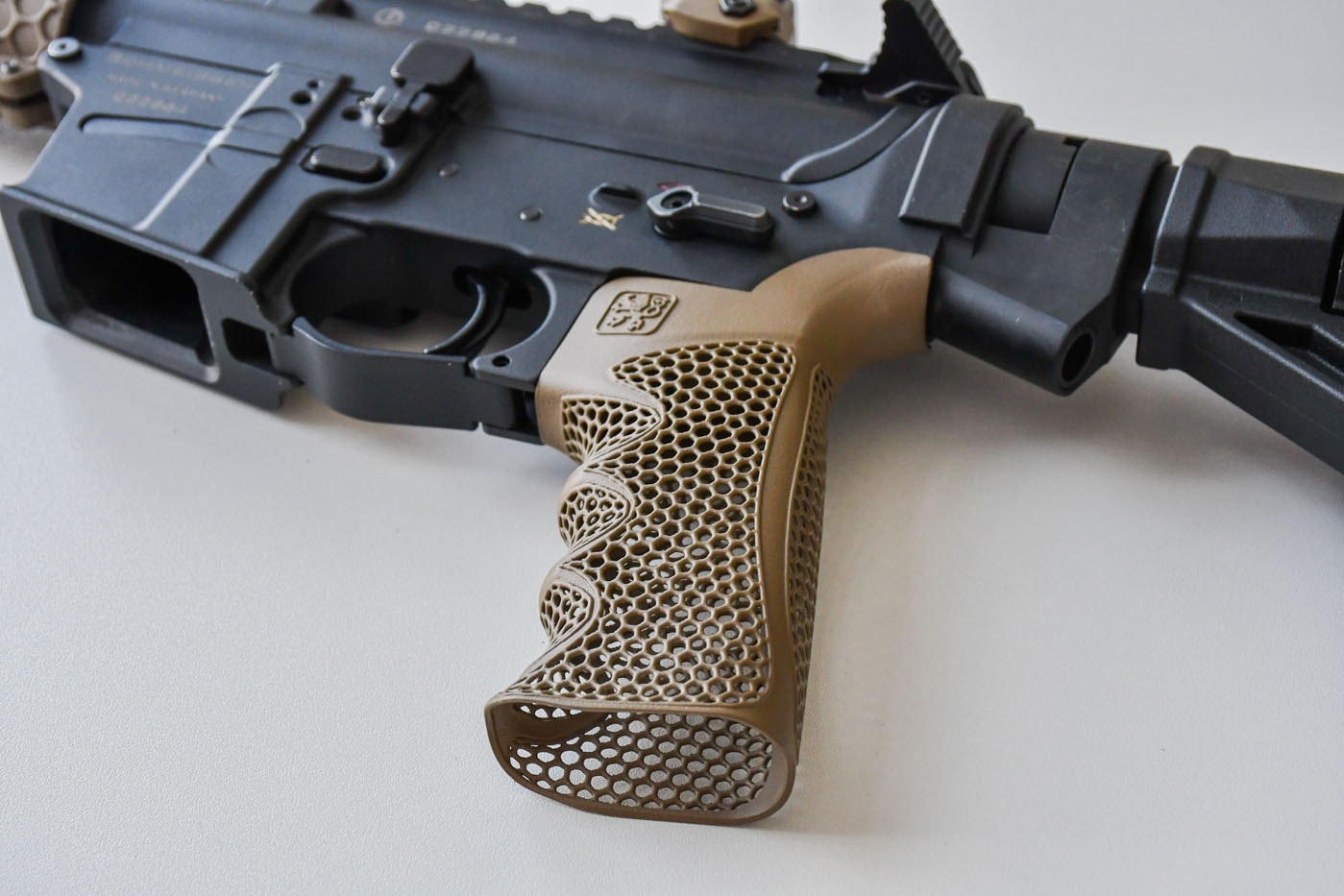
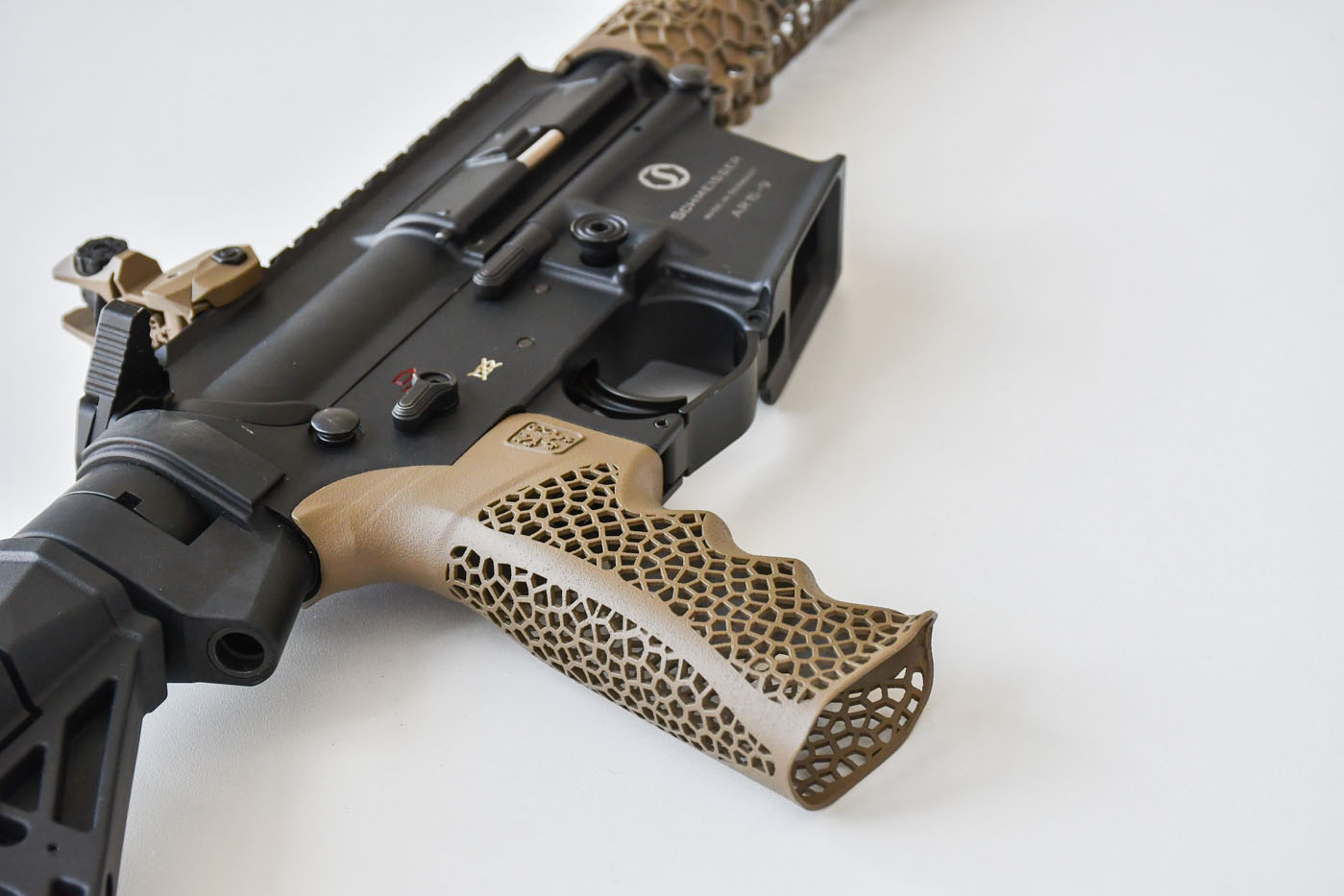
We deliver unique structural designs based on topology optimization, which ensures high durability and reliability while minimizing material usage. For this topological design, we employ our own proprietary algorithms and mathematical models.
Our capabilities include analyses of strength, service life, fatigue, and structural integrity, as well as simulations, CFD, thermal analysis, and multiphysics optimization.
Serial Production
Additive manufacturing meets individual customer requirements, develop promising business models or transform entire supply chains. Freedom of design is the key to bringing new features and designs, shortening lead times and reducing the amount of material . Whether it is a single end product, a small series or a large quantity, at TITAM you will find solutions for the production of series products in plastics and metal materials in top quality.
Take advantage of our comprehensive capabilities to produce your serial parts.
Industries
DEFENSE AND AVIATION
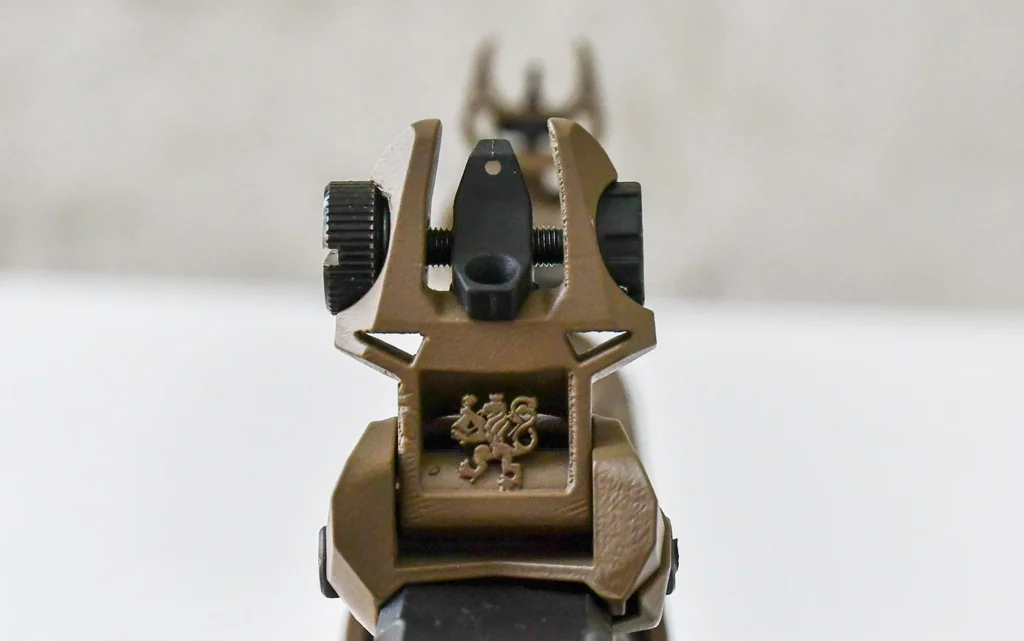
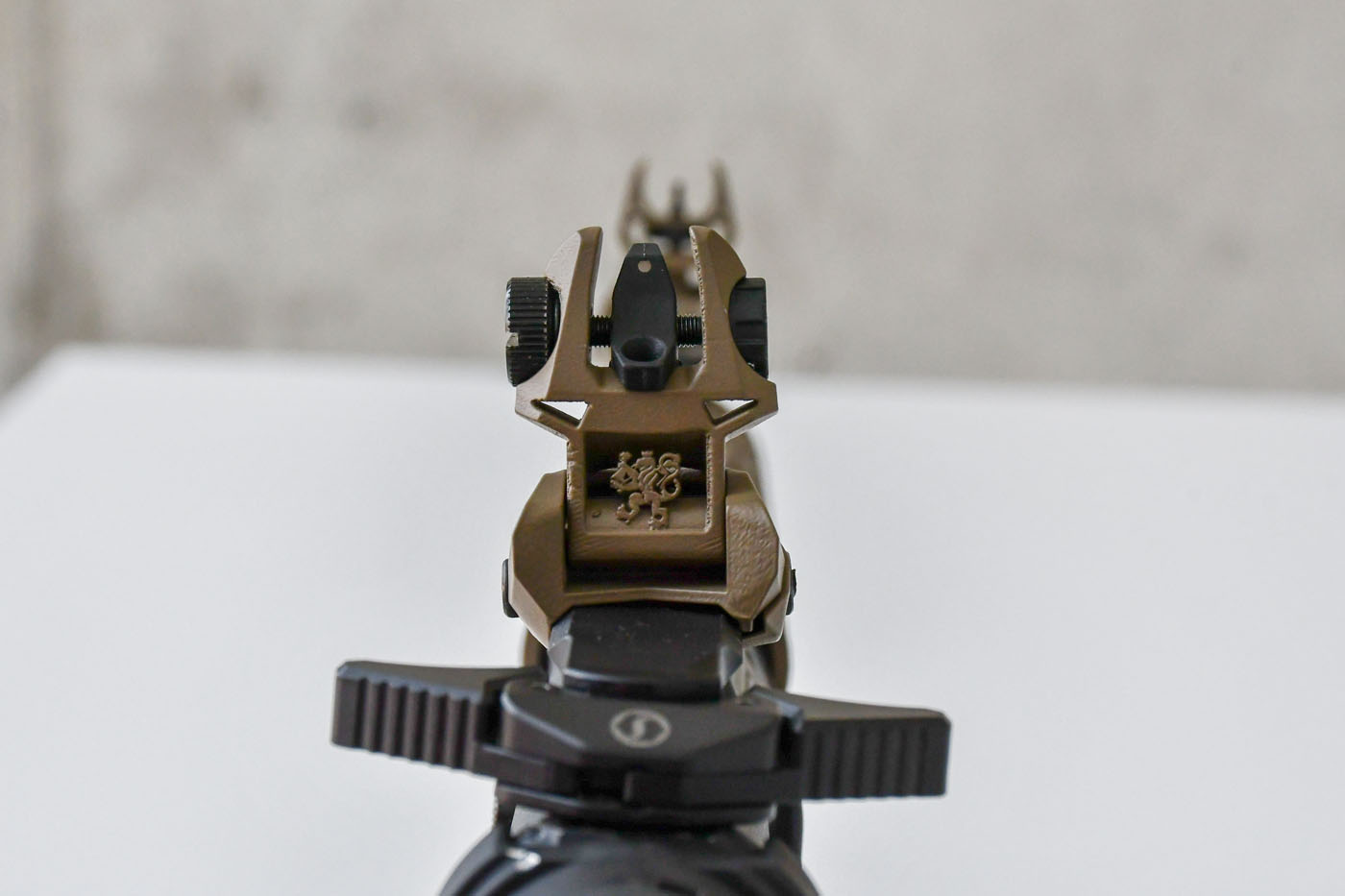
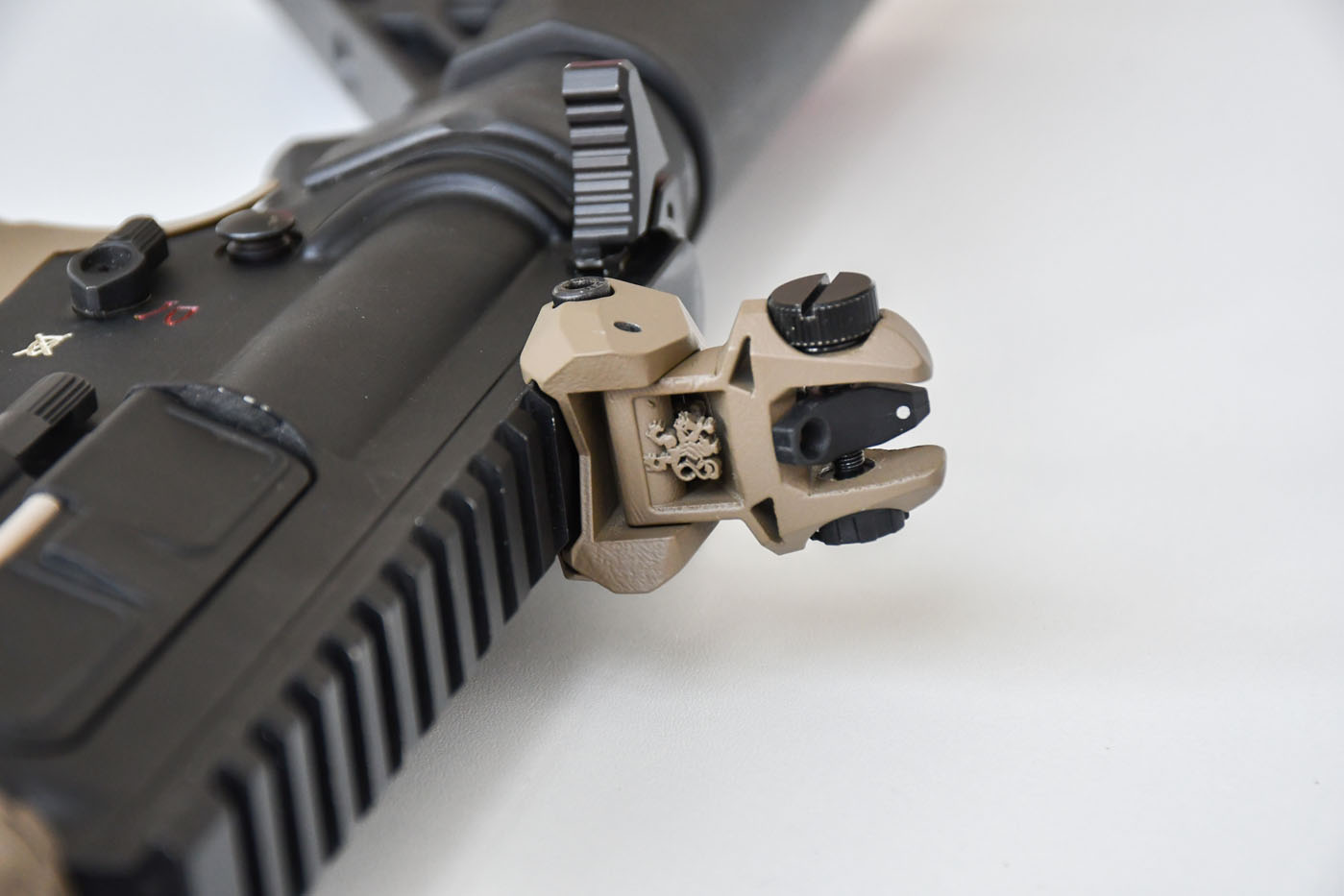
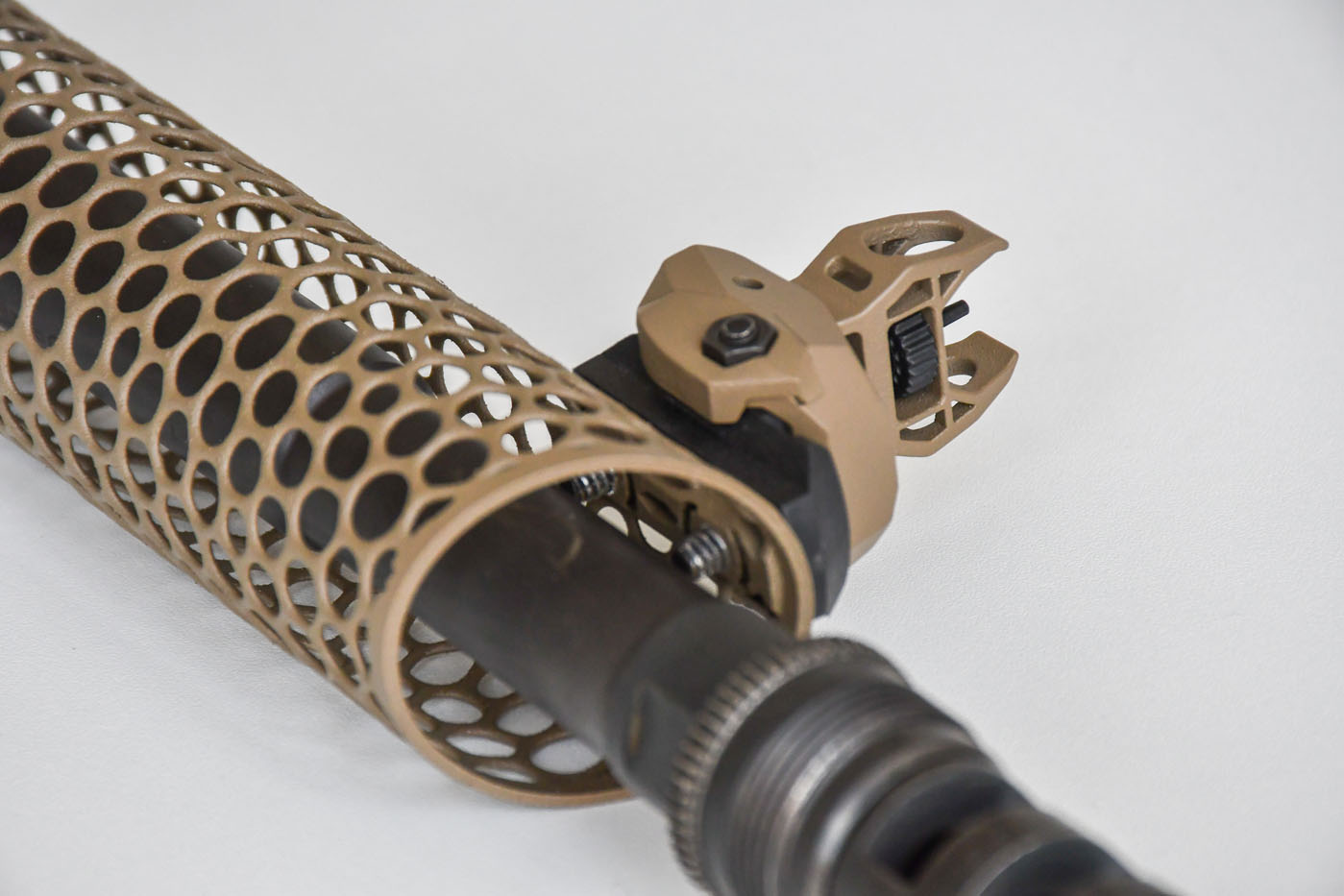
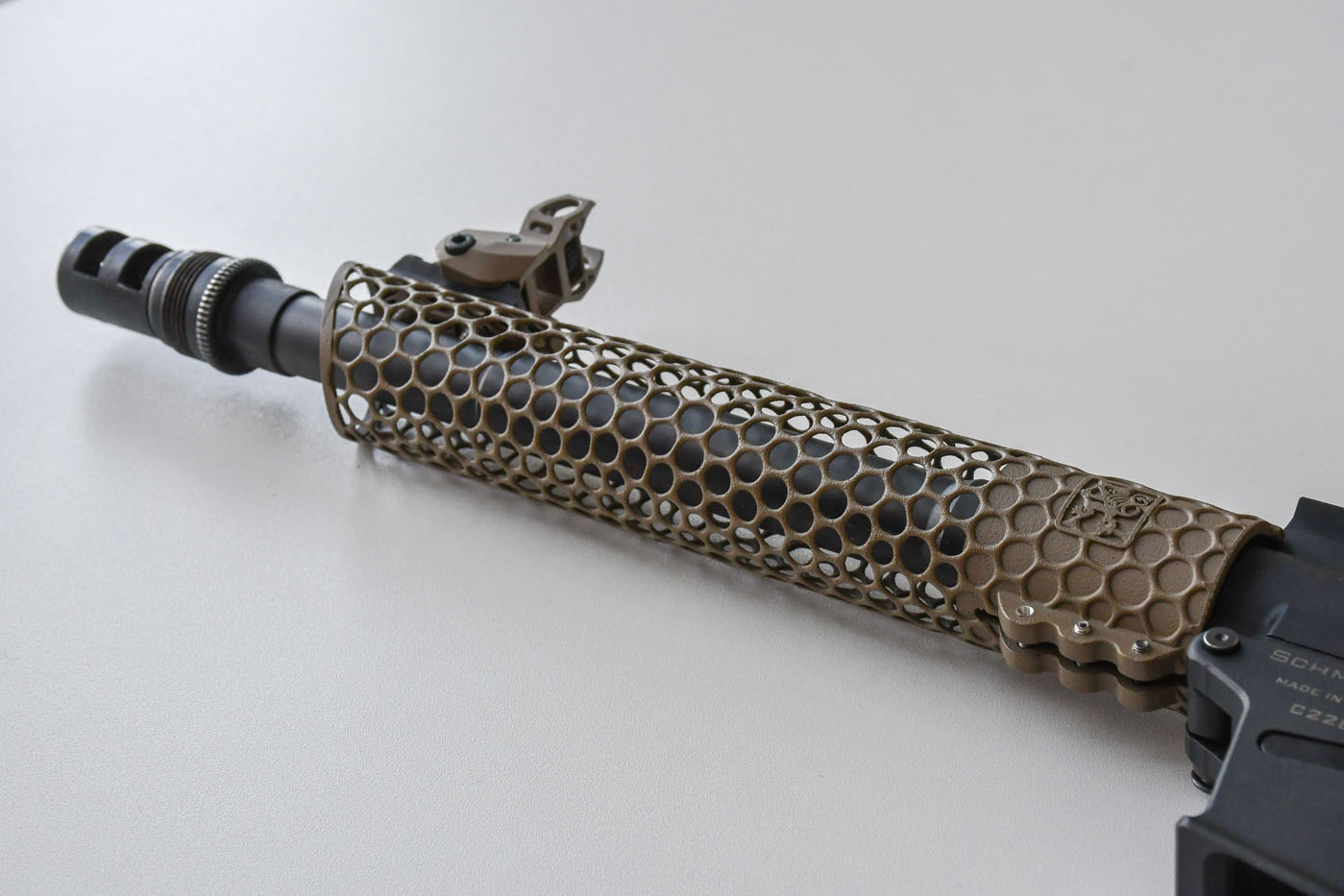
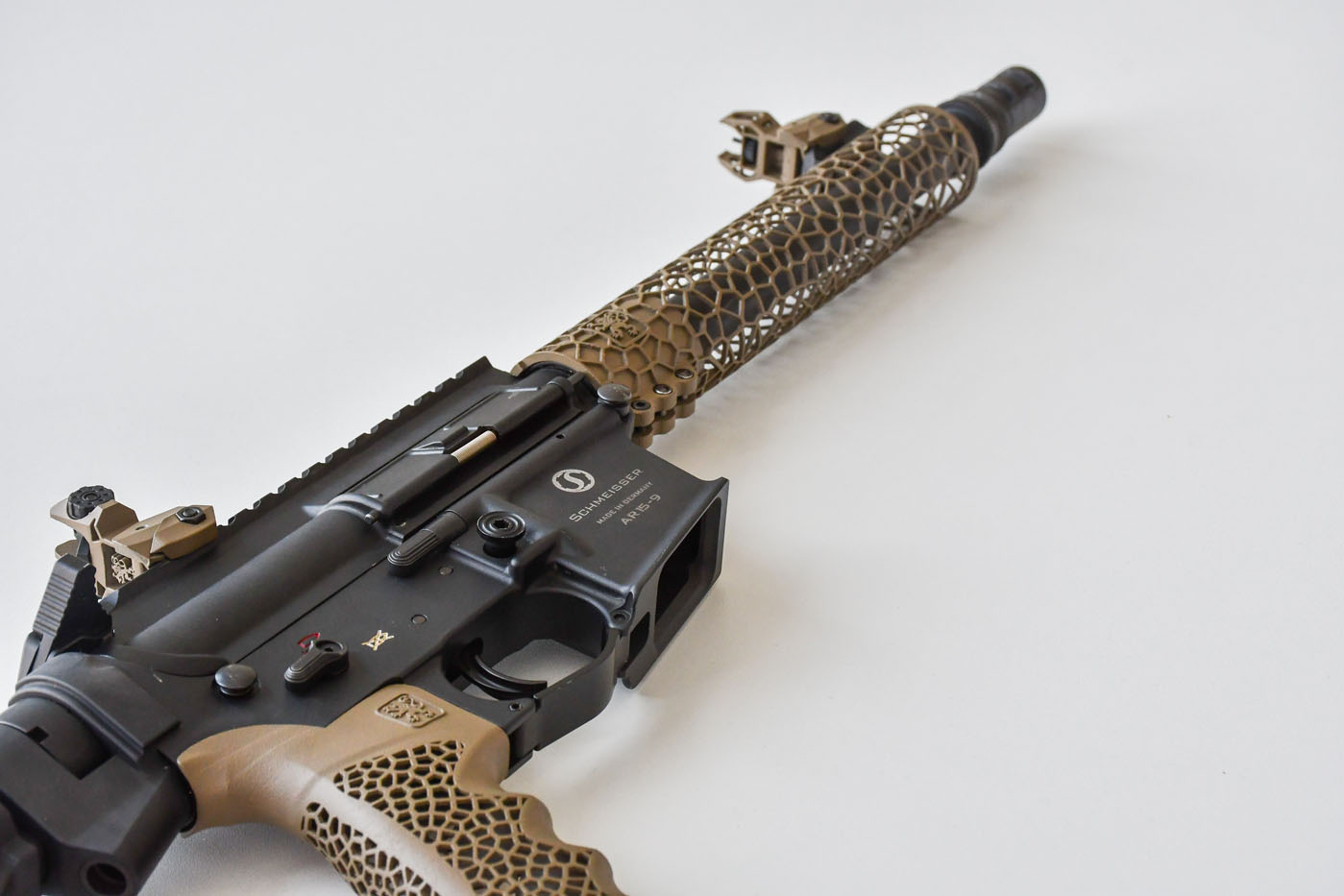
Additive manufacturing allows for the rapid creation of prototypes, which can significantly speed up the development of new defense technologies. This capability enables quicker iterations and testing, reducing the time from concept to deployment.The technology allows for the production of complex, customized components that would be difficult or impossible to produce with traditional manufacturing techniques. This is particularly useful for creating specialized parts with intricate geometries, which can enhance the performance of defense systems. By reducing material waste and eliminating the need for specialized tooling, additive manufacturing can lower production costs. It also allows for on-demand manufacturing, which can reduce inventory costs and the need for large storage facilities. The ongoing development of new materials for additive manufacturing opens up possibilities for creating parts with enhanced properties, such as increased strength, improved heat resistance, or reduced radar visibility.
AUTOMOTIVE
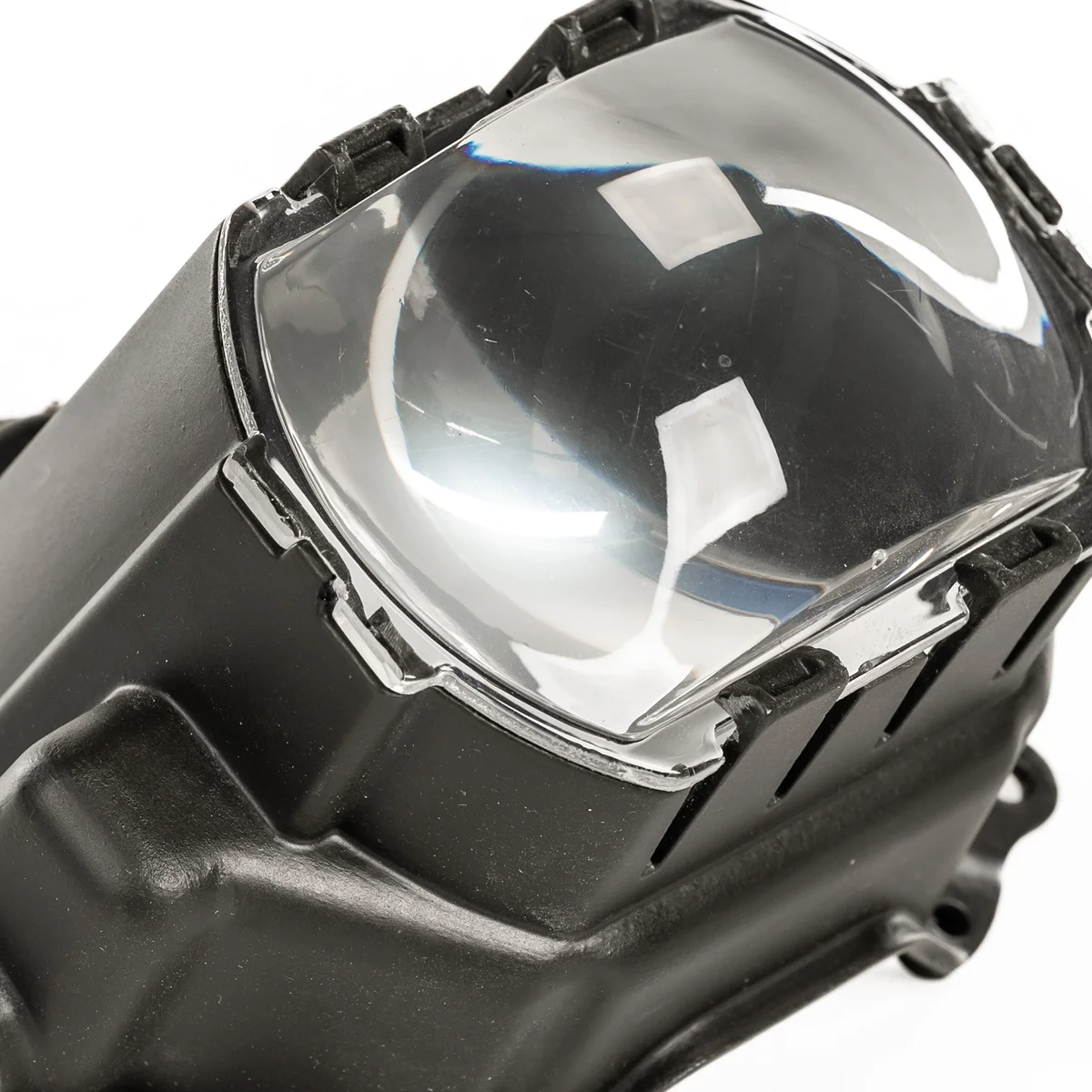
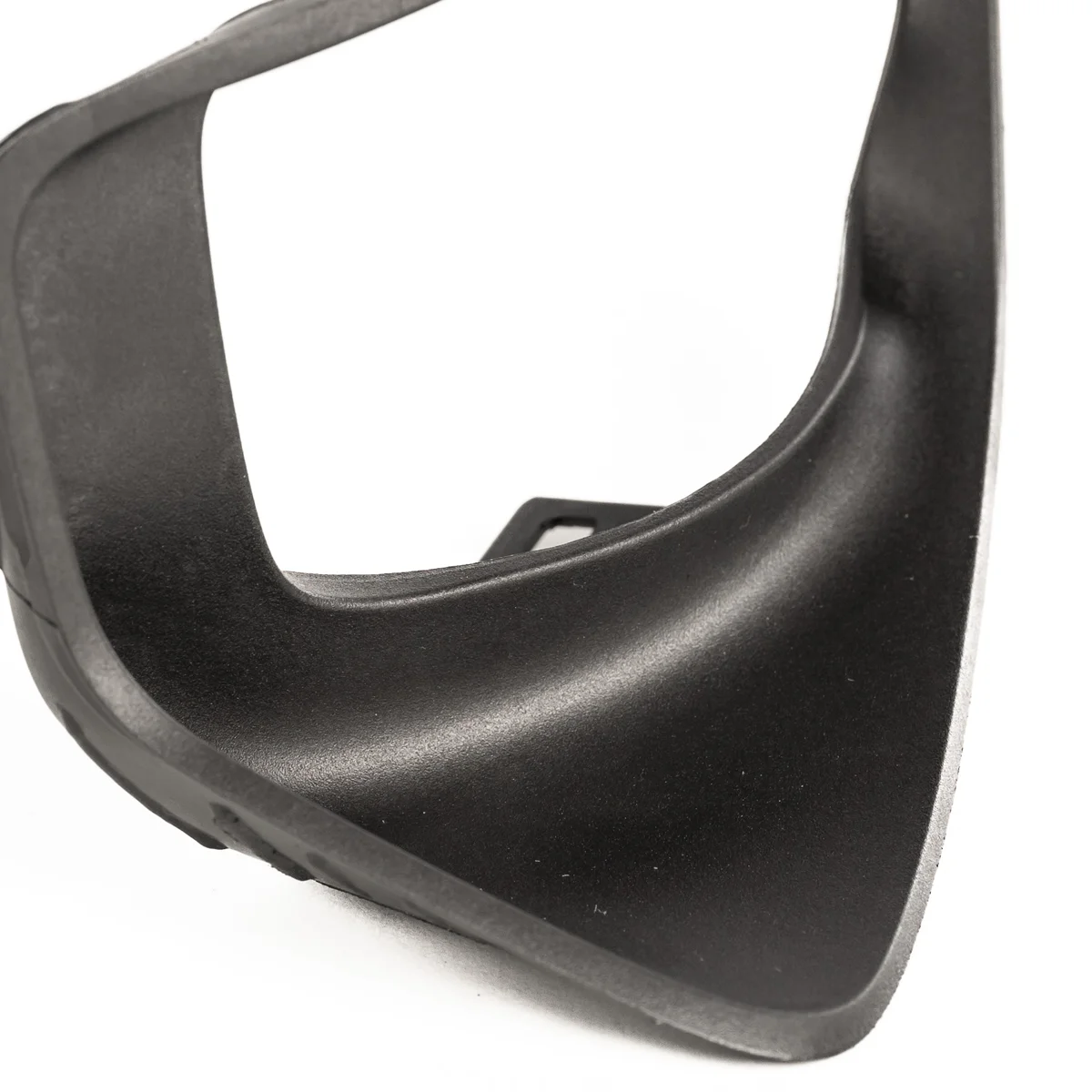
Additive manufacturing, or 3D printing, has made a significant impact on the automotive industry. One of the primary benefits is the ability to produce complex and lightweight components that were previously difficult or impossible to manufacture using traditional methods. This leads to improved vehicle performance and fuel efficiency.3D printing accelerates the prototyping process, allowing automotive companies to quickly design, test, and refine new parts and models. This rapid prototyping reduces development time and costs, enabling faster innovation cycles.
Customization is another advantage, as additive manufacturing allows for the production of bespoke parts tailored to specific customer needs or preferences. This can enhance the customer experience by offering more personalized options.
Additionally, the technology contributes to more sustainable practices in the automotive industry. By using only the necessary amount of material and reducing waste, 3D printing supports environmentally friendly manufacturing processes. Additive manufacturing can streamline supply chains by enabling on-demand production and reducing the need for large inventories of spare parts. This flexibility can lead to cost savings and increased efficiency in logistics and inventory management. Overall, additive manufacturing offers the automotive industry new opportunities for innovation, efficiency, and sustainability.
TOOLING, MOLDING
3D printing significantly reduces the time required to produce tooling and molds. Traditional methods can take weeks or months, while additive manufacturing can accomplish this in days, accelerating the overall production timeline.The initial costs of creating molds with traditional methods are high, especially for complex designs. Additive manufacturing reduces these costs by minimizing material waste and eliminating the need for expensive tooling processes. It allows for the creation of complex geometries that are difficult to achieve with conventional methods. This flexibility enables the production of more efficient and optimized tools and molds, which can improve the performance of the final product.
A wide range of materials can be used in additive manufacturing, allowing for the creation of tools and molds that meet specific strength, durability, and thermal resistance criteria.
By using only the necessary materials, additive manufacturing reduces waste, contributing to more sustainable production practices in the tooling and molding industry.
Overall, additive manufacturing enhances the efficiency, flexibility, and sustainability of tooling and molding processes, offering significant advantages in terms of speed, cost, and innovation.
Order form
About us
PARTNERS & CUSTOMERS
Billing address
TITAM s.r.o.
Štěpánská 540/7
120 00 Praha 2 – Nové Město
Czech Republic